










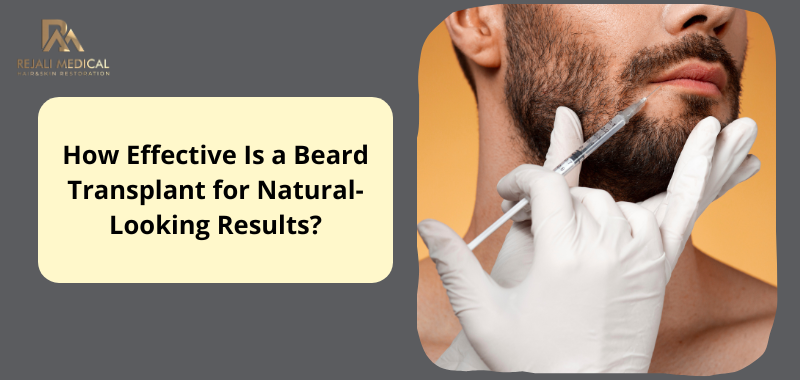
How Effective Is a Beard Transplant for Natural-Looking Results?
Beards have become more than just a trend. For many men, facial hair is closely tied to confidence, facial balance, and personal style. A fuller beard can enhance jawline definition and create a more masculine appearance. However, not everyone is genetically blessed with even or dense facial hair. Patchy growth, scars, or uneven density often lead people to explore medical solutions.
This is where beard restoration comes in. A beard hair transplant is increasingly popular among men seeking a permanent, natural-looking solution. Still, a common question remains: how effective is a beard transplant?
The short answer is that results can be highly effective when the proper technique, an experienced surgeon, and suitable patient factors come together. Let’s break it down step by step.
What Is a Beard Transplant and How Does It Work?
A beard transplant is a cosmetic procedure that moves healthy hair follicles from one part of the body to the beard area. In most cases, the donor hair is taken from the back or sides of the scalp, where hair growth is dense and stable.
During the procedure, individual hair follicles are carefully extracted and then implanted into areas of the face with thin or missing beard hair. Each follicle is placed at a specific angle and depth to match the natural direction of beard growth. This attention to detail is what helps the beard blend seamlessly with existing facial hair.
Today, most surgeons use the FUE hair transplant method, which has become the standard for facial hair restoration due to its precision and minimal scarring.
Why FUE Is the Preferred Technique for Beard Transplants?
FUE, or Follicular Unit Extraction, is considered the most advanced approach for beard restoration. Unlike older strip-based techniques, FUE treatment involves extracting hair follicles one by one using specialized tools.
The advantages of FUE include:
- No linear scars, which is essential when donor hair is taken from visible areas.
- Faster healing and reduced discomfort.
- Greater precision in placing individual hairs.
For beard transplants, precision matters even more than it does for scalp procedures. Facial hair grows at different angles and densities across the cheeks, jawline, and mustache area. FUE allows surgeons to control the angle, depth, and spacing of each follicle, which is significant for achieving natural-looking results.
How Natural Do Beard Transplant Results Really Look?
When performed correctly, a beard transplant can look incredibly natural. The transplanted hair retains the texture and growth characteristics of the donor area, which is why scalp hair works well for beard restoration.
Several factors influence how natural the results appear:
- Proper alignment with existing beard hair.
- Strategic planning of density in different zones.
- Matching growth direction across the face.
After the procedure, transplanted hairs undergo regular growth cycles. Some initial shedding is expected, which can worry patients, but this is temporary. Over time, new growth emerges and blends in naturally.
Most patients start noticing realistic results around the 6-month mark, with full maturation typically visible between 9 and 12 months.
Factors That Affect the Effectiveness of a Beard Transplant
While beard transplants are generally effective, outcomes can vary. Key factors include:
- Surgeon’s experience: Facial hair restoration requires a different skill set than scalp transplants.
- Donor hair quality: Thicker, healthier donor hair leads to better coverage.
- Skin type and healing response: Individual healing affects how quickly and smoothly results develop.
- Beard design planning: A customized beard shape tailored to face structure improves aesthetics.
- Post-procedure care: Following aftercare instructions supports optimal growth and reduces complications.
These elements together determine how effective and natural the outcome will be.
Beard Transplant vs. Other Beard Growth Solutions
Many men try beard oils, serums, supplements, or medications before considering surgery. While these products may improve hair health or stimulate mild growth, they have limitations.
Topical solutions cannot create new follicles in areas where hair does not naturally grow. Medications may help in some cases, but results are inconsistent and often temporary.
A beard transplant, on the other hand, provides a permanent solution. Once the transplanted follicles establish a blood supply, they continue to grow for life. Surgery is best suited for individuals with persistent patchiness, scars, or genetic limitations, while non-surgical options may be enough for those with mild thinning.
What Results Can You Expect Over Time?
Understanding the timeline helps set realistic expectations.
- First 2 to 4 weeks: Mild swelling, redness, and scabbing as the skin heals. Transplanted hairs may shed.
- 3 to 6 months: New beard hair begins to grow. Coverage is noticeable but still developing.
- 9 to 12 months: Final density, texture, and natural appearance become fully visible.
Thickness and styling options gradually improve, allowing patients to shape and groom their beards as desired.
Is a Beard Transplant Right for You?
Ideal candidates for a beard hair transplant include men who:
- Have patchy or uneven beard growth.
- Want to cover scars from acne, injuries, or burns.
- Have realistic expectations about density and results.
- They are in good overall health.
A transplant may not be recommended for individuals with insufficient donor hair, certain skin conditions, or unrealistic expectations. A professional evaluation is essential before moving forward.
Safety, Recovery, and Long-Term Outcomes
Beard transplants are considered safe when performed by qualified specialists. The procedure is minimally invasive, and most patients return to normal activities within a few days.
Transplanted beard hair is permanent and behaves like natural facial hair. Once fully grown, it can be shaved, trimmed, and styled without restrictions. Long-term maintenance is no different from caring for a naturally grown beard.
Understanding Beard Transplant Effectiveness with Rejali Medical
So, how effective is a beard transplant? When performed using advanced FUE techniques and guided by thoughtful planning, beard transplants can deliver long-lasting, natural-looking results. The overall success of the procedure depends on several factors, including surgical expertise, personalized beard design, and proper aftercare.
At Rejali Medical, our team takes a personalized approach to beard restoration, carefully evaluating each patient’s facial structure, hair characteristics, and goals. This customized planning helps ensure results that look natural, balanced, and in line with your expectations.
If you are ready to take the next step, contact us today to schedule your consultation and learn how our expertise in hair restoration can help you achieve the beard you’ve been looking for.
Frequently Asked Questions (FAQs)
Can beard transplants be done to fix scars or burn marks?
Yes, beard transplants are commonly used to cover scars, including those from acne, surgery, or burns, provided the skin has healed properly.
Are beard transplant results permanent?
Yes, transplanted hair follicles are permanent and continue growing for life.
Can I shave or trim my beard after a beard transplant?
Once healing is complete and new growth has established, you can shave and trim your beard as usual.
Is a beard transplant effective for people with excellent facial hair?
Effectiveness depends on donor hair quality. Scalp hair often provides better density, even if natural facial hair is fine.
Does climate or weather affect healing after a beard transplant?
Extreme heat or excessive sweating can affect early healing, but normal climate conditions generally do not impact long-term results.